A bathroom renovation delivers one of the highest satisfaction rates of any home improvement — yet it's also one of the most technically demanding. Waterproofing failures are among the most expensive building defects in NZ residential construction. Getting the right builder, understanding the standards involved, and planning the project thoroughly are not optional extras. They're the difference between a bathroom that serves you for twenty years and one that causes thousands of dollars in remediation work within five.
Free cost calculator
Get a free bathroom renovations cost estimate
Question 1 of 9
Bathroom scope
Tap an option to continue — use Back to change an earlier answer.
This guide gives NZ homeowners everything they need to approach a bathroom renovation with confidence.
Who This Is For
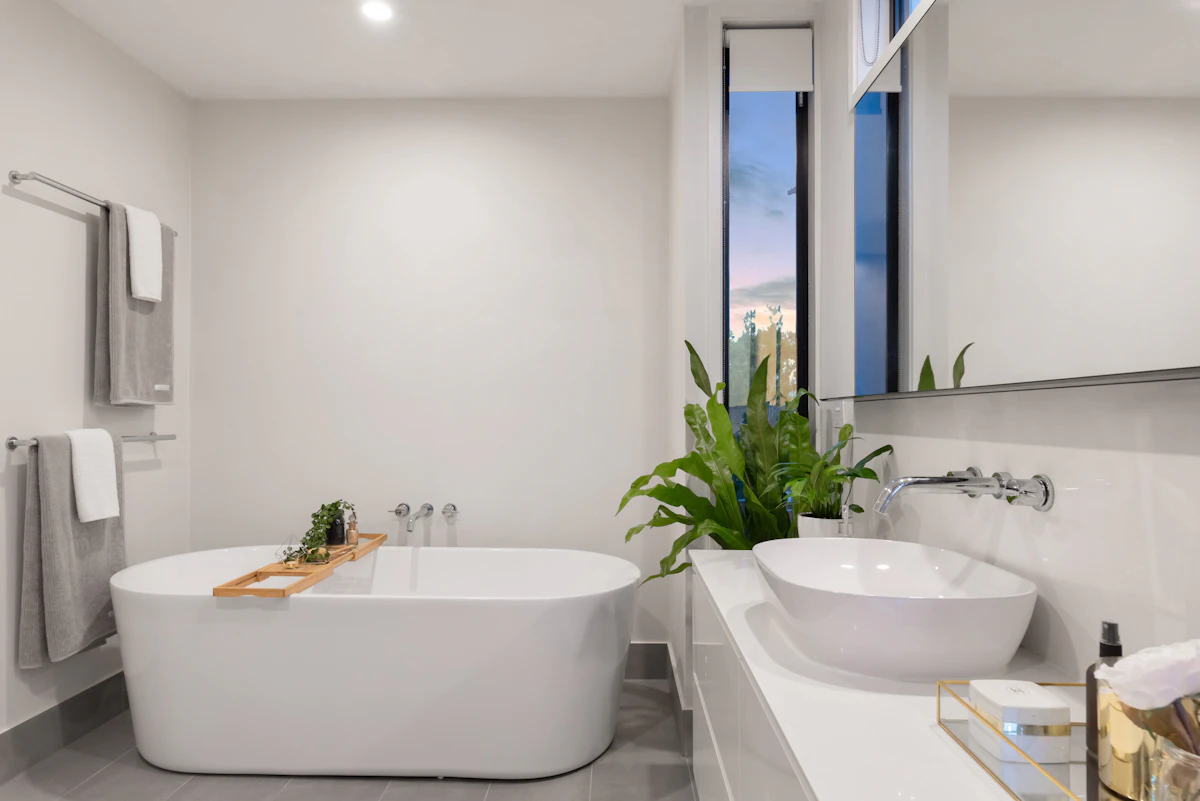
This guide is for homeowners who:
- Have a dated, failing, or dysfunctional bathroom and are ready to renovate
- Are planning a new ensuite in an existing bedroom
- Are converting a half-bath (toilet and basin) into a full bathroom
- Want to understand realistic costs and compliance requirements before approaching tradespeople
What a Bathroom Renovation Involves
Bathroom renovations range from cosmetic upgrades to full strip-out rebuilds. The critical distinction is whether you're touching the waterproofing membrane — because that determines the compliance standards that apply and the skill level required.
Cosmetic Refresh
Updating appearance without touching the waterproofing layer. This includes:
- Replacing tapware and fittings
- New vanity (if plumbing connections don't move)
- New toilet suite
- Painting walls (where tiles aren't present)
- New mirror, accessories, and lighting
This is the lightest intervention. Consent is generally not required and a competent plumber and handyperson can manage it.
Full Tile and Waterproofing Renovation
A full strip-out to the substrate — removing all tiles, linings, and the existing waterproofing membrane — followed by a complete rebuild. This is the most common full bathroom renovation and is what most people mean when they say they're "renovating the bathroom."
This involves:
- Full demolition of existing finishes
- Repair and preparation of substrate (including any moisture damage)
- New waterproofing membrane applied to NZ Building Code standards
- New tile or solid surface installation
- New wet area linings (if applicable)
- Plumbing: new tapware, shower mixer, toilet, vanity
- Electrical: extraction fan, lighting
- New shower screen or bath
This is specialist trade work. The waterproofing must be applied by a qualified tradesperson and inspected (either by council inspection or a licensed building inspector) before tile installation proceeds.
New Ensuite or Bathroom Addition
Adding a new bathroom where none existed involves structural work — potentially removing walls, relocating plumbing waste and supply — and requires building consent. This is managed by a renovation builder as the lead contractor.
How Much Does a Bathroom Renovation Cost in NZ?
Bathroom renovations are often the most expensive room-for-size renovation in the home, because of the density of trades involved and the compliance requirements around waterproofing.
Cost ranges (excl. GST, 2026)
| Scope | Cost range |
|---|---|
| Cosmetic refresh (tapware, vanity, toilet, accessories) | $5,000 – $15,000 |
| Full renovation — standard bathroom (budget spec) | $18,000 – $30,000 |
| Full renovation — standard bathroom (mid spec) | $30,000 – $55,000 |
| Full renovation — premium spec | $55,000 – $100,000+ |
| New ensuite addition (including consent) | $35,000 – $80,000+ |
What drives bathroom renovation cost
Tile selection has one of the widest cost ranges of any single material: from $30/m² for entry-level ceramic to $300+/m² for large-format porcelain or natural stone. Labour cost for installation varies too — large-format tiles, complex patterns, and natural stone require more skilled tiling.
Shower type is a significant cost driver:
- Tiled shower with screen: $3,000 – $8,000
- Walk-in tiled wet area: $5,000 – $12,000
- Freestanding bath and separate shower: $8,000 – $20,000+
Vanity and tapware range from $800 for a flatpack vanity with budget tapware to $8,000+ for a custom-built vanity with designer fittings.
Underfloor heating adds $1,500 – $3,500 to a standard bathroom renovation — a popular upgrade given NZ's cold winters, particularly in the South Island and elevated regions.
Trade costs are substantial and non-negotiable. A bathroom renovation requires at minimum a plumber, a tiler, an electrician, and a builder. In many cases, a plasterer and painter are also needed. Trade coordination — getting the right people in the right sequence — is where an experienced bathroom renovation builder earns their fee.
Waterproofing: The Most Important Part of Any Bathroom
Waterproofing failure is the leading cause of serious building defects in NZ bathrooms. When a waterproofing membrane fails — or was never correctly applied — moisture penetrates the substrate, causes structural damage to framing and flooring, and creates ideal conditions for mould. Remediation typically costs $15,000–$40,000 and requires removing all the finishes that were just installed.
NZ Building Code Requirements
The NZ Building Code Clause E3 (Internal Moisture) sets requirements for wet area waterproofing in new and altered bathrooms. The key requirements are:
- Waterproofing membranes must be applied to floors and walls of wet areas (shower zones and bath zones) to specified heights
- The membrane must be continuous and extend behind fittings
- Membrane products used must be listed as compliant (check the CodeMark or BRANZ Appraisal)
Who Can Apply Waterproofing?
Waterproofing in wet areas must be applied by a suitably qualified tradesperson. In practice, most bathroom renovation builders have trained waterproofing applicators on their team or use specialist subcontractors. Some waterproofing product manufacturers require installation by certified applicators to maintain their product warranty.
Inspection Before Tiling
Best practice is to have the waterproofing membrane inspected and signed off before tile installation covers it. This can be done by council inspection (if the project is consented) or by a licensed building inspector. Do not allow tiles to go over uninspected waterproofing — if there's a failure later, you have no recourse.
Ask your builder explicitly: how will the waterproofing be inspected and documented?
When Do You Need Building Consent for a Bathroom Renovation?
Generally not required:
- Full strip-out and rebuild of an existing bathroom in the same footprint, using the same plumbing connections
Generally required:
- Adding a new bathroom or ensuite where none existed
- Relocating plumbing waste or supply connections
- Structural alterations (removing walls, changing window openings)
- Converting a room to a bathroom
Confirm with your builder or designer before proceeding. In Auckland, some councils have specific requirements around wet area alterations — your builder should know local practice.
How the Bathroom Renovation Process Works
Step 1 — Define scope and style. What's not working about your current bathroom? Is it storage, shower size, layout, or appearance? Collect reference images. Decide early whether you want a bathtub (space-hungry but valuable for families with young children), a large walk-in shower, or both.
Step 2 — Get quotes. A bathroom renovation is typically quoted by either a bathroom specialist (who provides a supply-and-install service) or a renovation builder who subcontracts the kitchen specialist trades. For straightforward renovations, both approaches work. For complex projects, a builder as lead contractor produces better outcomes.
Step 3 — Agree specification. Before accepting a quote, ensure the specification is itemised: tile range, tapware brand, vanity model, shower fittings, waterproofing membrane brand. Vague specs lead to disputes on completion.
Step 4 — Demolition and substrate prep. Full strip-out reveals the substrate condition. Moisture damage or substandard previous work discovered at this point requires repair before proceeding. Budget a contingency specifically for this.
Step 5 — Waterproofing. Applied to floor and walls of the wet zone to specified heights. Allow adequate curing time before tiling — membrane products have specified curing periods that must be observed.
Step 6 — Tiling. Floor tiles first, then walls. Tile layout is set out before cutting starts — the setter determines starting points to minimise cut tiles in visible locations.
Step 7 — Plumbing and electrical fitout. Plumber connects tapware, shower mixer, toilet, and vanity. Electrician installs extraction fan, heated towel rail, and lighting. Underfloor heating (if specified) is installed before tiling.
Step 8 — Vanity, screens, and accessories. Shower screen or frameless glass installed after tiling. Vanity, mirror, toilet suite, and accessories as final fitout.
Step 9 — Grouting and siliconing. Grout is applied to tile joints. Silicone sealant is applied at all junctions — wall to floor, around fixtures, at shower screen feet. These silicone joints are a critical waterproofing detail and must be maintained over time.
What to Look for in a Bathroom Renovation Builder
Proven Waterproofing Knowledge
Ask directly: who applies the waterproofing? What product do they use? How is it inspected? A builder who can answer these questions clearly and confidently demonstrates the competence the job requires. One who seems unconcerned about waterproofing inspection warrants caution.
Tiling Quality
The quality of a bathroom renovation is most visible in the tiling. Ask to see examples of completed bathrooms — look at grout joint consistency, tile alignment at junctions (wall-to-floor, inside corners, around niches), and silicone finish. These details reveal trade skill.
Itemised Quotes
A bathroom quote should itemise: demolition, waterproofing, tiles (supply and fix), plumbing (fixture supply and installation), electrical, vanity, shower screen, accessories. Lump-sum quotes that combine all of this make it impossible to compare and identify specification differences between quotes.
LBP Licence
If your project involves structural work or is consented, the builder must hold a current LBP licence. Verify on the MBIE register.
Common Bathroom Renovation Mistakes
Skipping or rushing waterproofing. There is no shortcut here. The membrane must be correctly applied, correctly cured, and inspected before tiling. Any builder who suggests this step can be abbreviated deserves serious scrutiny.
Choosing tiles before layout is set. Tile size must match the space. Large-format tiles (600x600 or larger) look stunning in a large bathroom but can create awkward cuts and layout issues in smaller ones. Confirm with your tiler that your chosen tile works for your space before ordering.
Neglecting extraction. NZ bathrooms without adequate ventilation develop mould problems. A ducted extraction fan (not recirculating) is essential. The fan must duct outside the building envelope — not into a roof cavity. Specify this explicitly.
Inadequate storage planning. Most bathroom renovation regrets involve storage. Before finalising the design, map out where towels, toiletries, cleaning products, and medicines will live. Recessed niches, under-vanity drawers, and medicine cabinets all help — but they need to be in the design before construction starts.
Ignoring the door swing. In small bathrooms, a door that swings into the room creates constant inconvenience. Consider a barn-style sliding door, a pocket door, or an outward-opening door early in the design process.
How BuildersNearMe Verifies Bathroom Renovation Builders
All bathroom renovation builders on BuildersNearMe are verified for LBP registration, NZBN status, and recent project references. Verified Partner builders have provided evidence of current insurance and a portfolio of completed bathrooms.
Find Bathroom Renovators by Region
- Bathroom renovations Auckland
- Bathroom renovations Wellington
- Bathroom renovations Christchurch
- Bathroom renovations Hamilton
- Bathroom renovations Tauranga
- Bathroom renovations Dunedin
- Bathroom renovations Nelson
Related Services
Frequently Asked Questions
Do I need building consent for a bathroom renovation in NZ? A full strip-out and rebuild of an existing bathroom in the same footprint, using the same plumbing connections, generally does not require building consent. If you're adding a new bathroom, relocating plumbing, or making structural changes, consent is required. Your builder should confirm the requirements for your specific project before work starts.
How long does a bathroom renovation take? A full strip-out and rebuild of a standard NZ bathroom typically takes three to five weeks once work starts. This assumes the builder has trades available in sequence — delays happen when plumbers or tilers are booked out. Add two to four weeks for design and preparation if you're choosing tiles and fittings from scratch. A simple cosmetic refresh (tapware, vanity, toilet) takes three to seven working days.
What is the most important thing in a bathroom renovation? Waterproofing. It's not visible when the renovation is finished, but it determines whether the room will serve you for twenty years or create expensive problems within five. The waterproofing membrane must be applied correctly, adequately cured, and inspected before tile installation. This is non-negotiable regardless of budget level.
Can I supply my own tiles and fittings? Yes — many homeowners source their own tiles, tapware, and vanity to control specification and cost. If you do this, confirm exact dimensions and quantities with your builder before ordering. Ensure tiles are sold in the same batch (same batch number on the boxes) to avoid colour variation. Over-order by 10–15% for cuts and future repairs. Your builder is not responsible for delays or issues caused by late or incorrect client-supplied materials.
How do I stop my bathroom getting mouldy after renovation? Three factors: ventilation, sealing, and maintenance. Install a ducted extraction fan that exhausts outside the building. Run it during and for 20 minutes after showers. Re-silicone junctions every three to five years as silicone ages and develops micro-cracks. Use a squeegee on shower screens and tiles after use. Tile grout benefits from a topical sealer applied annually in high-use bathrooms.
Should I use large-format or small tiles? Large-format tiles (600x600mm and above) create a seamless, modern aesthetic and have fewer grout lines (less maintenance). They suit bathrooms of at least 5m² and require a highly level substrate. Small tiles (mosaic, subway, small format) offer more design versatility and are more forgiving on uneven substrates. In small bathrooms, mid-format tiles (300x600mm) often deliver the best visual balance. Your tiler or designer can advise based on your specific space.
Is a freestanding bath worth it? A freestanding bath is a dramatic design statement — but it has practical trade-offs. It requires more floor space than a built-in bath, is harder to clean around, and doesn't provide as much bathing depth in many models. For families with young children, a built-in bath with a proper surround is more practical. For a master bathroom used primarily by adults, a freestanding bath adds real value if the space can accommodate it.
How do I avoid going over budget on a bathroom renovation? The three main causes of bathroom budget blowouts are: (1) scope expansion — adding items during construction; (2) premium tile or fitting selections not budgeted at the start; (3) unexpected substrate or moisture damage discovered during demolition. Control the first by locking in your scope and specification before work starts. Control the second by having your tile and fitting choices priced into the quote. Control the third by including a 10–15% contingency.
Get Matched with a Verified Bathroom Renovation Builder
Tell us about your bathroom project — scope, style, location, and timeline — and we'll connect you with verified, experienced bathroom renovation builders in your area.
Find a Bathroom Renovator Near Me →
Vetted builders. Real waterproofing standards. No shortcuts.


