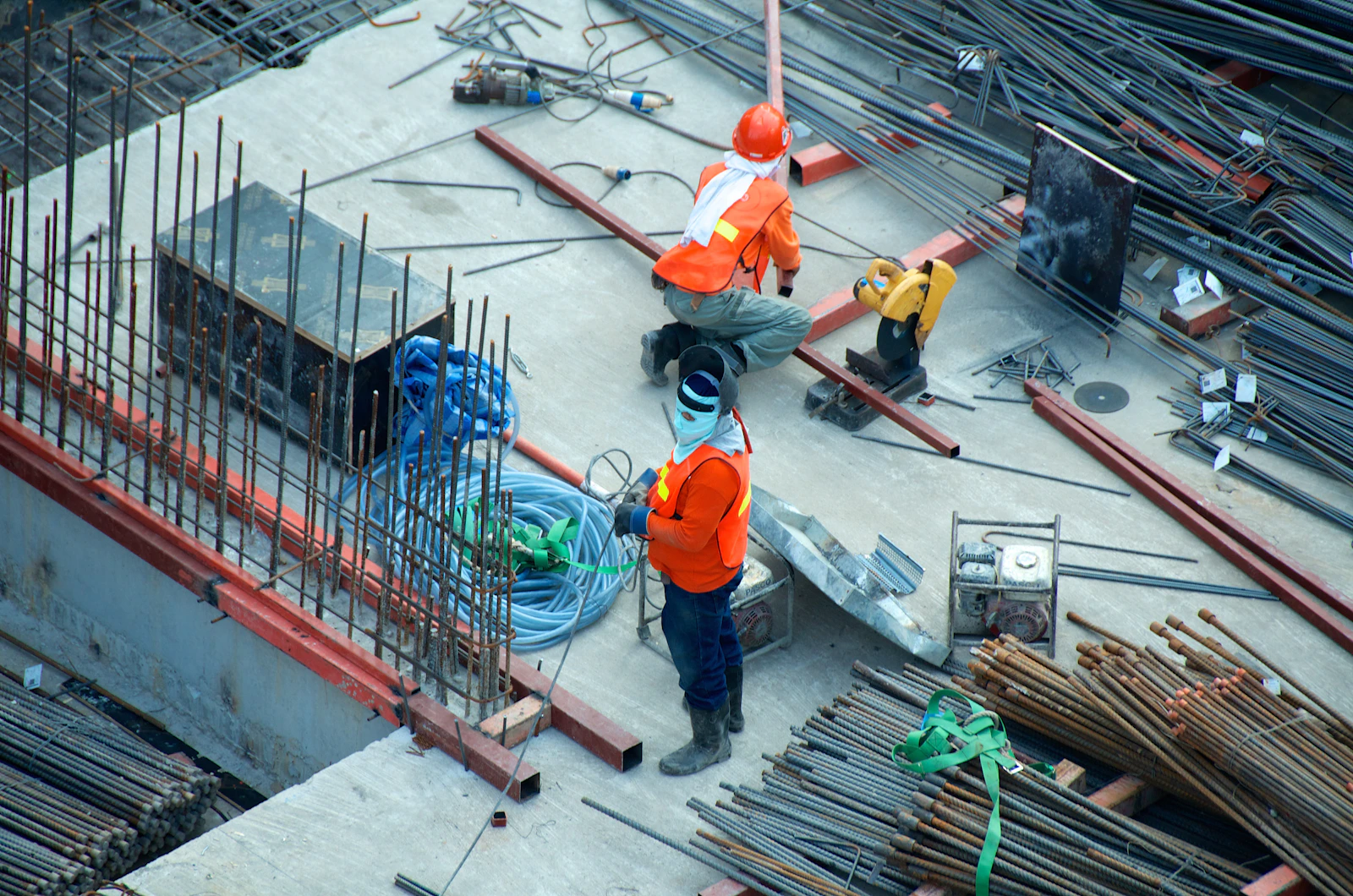
You’ll witness top-rated builders tackling extraordinary challenges through precision engineering and strategic innovation. From luxury homes anchored to unstable hillsides using specialized foundation systems, to 200,000-square-foot commercial complexes delivered ahead of schedule via BIM coordination and prefabrication techniques. These builders excel at historic renovations requiring code compliance without compromising heritage, multi-family developments maximizing density through vertical mixed-use design, and sustainable industrial facilities achieving LEED certification under strict budget constraints. The following examples demonstrate their all-encompassing expertise in action.
Luxury Custom Home: Overcoming Challenging Terrain and Design Complexities
When you’re tasked with constructing a luxury custom home on a steep hillside with unstable soil conditions, every design decision becomes critical to both structural integrity and aesthetic vision. You’ll need specialized foundation systems like helical piers or caissons that penetrate bedrock, ensuring your 4,500-square-foot masterpiece won’t shift over time.
Your structural engineer becomes your closest collaborator as you navigate cantilevers that extend living spaces over dramatic drops. You’ll specify high-strength concrete, steel reinforcement schedules that exceed code minimums, and waterproofing systems that handle hydrostatic pressure.
The expertise gained from residential projects translates seamlessly when you expand into commercial building services, where similar engineering principles apply to office complexes and retail developments.
The result? You’ve created a home that defies gravity while embracing its environment. Your clients enjoy panoramic views through floor-to-ceiling windows, knowing you’ve engineered every detail to withstand nature’s challenges while delivering uncompromising luxury.
Commercial Office Complex: Delivering 200,000 Square Feet Ahead of Schedule
While challenging terrain demands specialized engineering solutions, large-scale commercial projects require masterful coordination of multiple trades and systems to meet aggressive timelines. You’ll witness how premier builders orchestrate complex sequences involving structural steel, MEP installations, and curtain wall systems across 200,000 square feet of Class A office space.
The project’s success hinged on implementing Building Information Modeling (BIM) technology, enabling real-time coordination between architects, engineers, and subcontractors. You’re seeing advanced prefabrication techniques that reduced on-site labor by 30%, while simultaneous phasing allowed interior buildouts to commence before envelope completion.
Strategic material procurement and just-in-time delivery systems eliminated storage constraints. Your understanding of value engineering principles becomes evident when observing how design modifications maintained budget integrity while accelerating the construction schedule by six weeks. Understanding the quote timeline process proved crucial when coordinating with specialized subcontractors, as proper scheduling of contractor evaluations prevented costly delays during the critical path phases.
Historic Renovation: Preserving Heritage While Meeting Modern Building Codes
Although historic buildings possess irreplaceable architectural character, they present unique construction challenges that demand specialized expertise in balancing preservation requirements with contemporary safety standards. You’ll encounter complex structural assessments where you’re retrofitting modern electrical, plumbing, and HVAC systems without compromising original craftsmanship. Your team must navigate stringent historic preservation guidelines while ensuring ADA compliance, fire safety codes, and energy efficiency standards.
Successful projects require you to collaborate closely with preservation specialists, structural engineers, and regulatory authorities. You’ll often discover hidden structural issues requiring innovative solutions that maintain historical integrity. Your expertise in traditional building materials and techniques becomes vital when matching original stonework, millwork, or masonry. New Zealand builders specializing in renovation services understand the intricate balance between honoring historical significance and implementing modern functionality. These projects demonstrate your commitment to preserving our architectural heritage while creating functional spaces that serve today’s communities safely and efficiently.
Multi-Family Housing Development: Maximizing Density Through Innovative Planning
As urban populations continue expanding and available land becomes increasingly scarce, you’ll find that multi-family housing development requires strategic density optimization that balances livability with economic viability. Top-rated builders leverage innovative planning methodologies to maximize unit count while maintaining community appeal and regulatory compliance.
Successful density optimization employs several key strategies:
- Vertical integration with mixed-use ground floors featuring retail and community spaces
- Stepped building profiles that transition seamlessly between neighborhood scales
- Shared amenity consolidation including rooftop gardens and centralized parking structures
- Unit clustering around private courtyards to create intimate residential enclaves
- Strategic setback manipulation to preserve sight lines and natural light penetration
You’ll discover that effective multi-family development transforms constraints into opportunities, creating vibrant communities where residents experience both privacy and connection within thoughtfully designed urban environments. When selecting builders for multi-unit projects, you’ll want to evaluate their track record with similar density challenges and their ability to navigate complex zoning requirements.
Industrial Warehouse Facility: Achieving LEED Certification Under Budget Constraints
Industrial warehouse development presents distinctly different challenges from residential projects, where sustainability objectives must align with stringent cost parameters and operational efficiency requirements. You’ll find that achieving LEED certification within budget constraints demands strategic material selection and energy-efficient systems integration. Your success hinges on prioritizing high-impact, cost-effective measures like LED lighting retrofits, cool roofing materials, and enhanced insulation systems.
You’re working within an industry where every square foot matters, so you’ll optimize natural daylighting through strategic skylight placement while maintaining structural integrity. Your mechanical systems must balance initial investment with long-term operational savings. By partnering with experienced green building consultants early in design phases, you’ll identify cost-neutral sustainability features that contribute valuable LEED points without compromising your project’s financial viability or timeline. Understanding building cost trends in New Zealand helps you anticipate material price fluctuations and adjust your sustainability investments accordingly.
Frequently Asked Questions
How Do I Verify a Builder’s Licensing and Insurance Before Hiring Them?
You’ll need to request their license number and verify it through your state’s licensing board website. Additionally, ask for their insurance certificate and contact the carrier directly to confirm coverage remains active and adequate.
What Percentage of the Total Project Cost Should I Budget for Contingencies?
You’ll want to budget 10-20% for contingencies on most construction projects. For renovations, aim for 20-25% due to unforeseen structural issues. New builds typically require 10-15%. This buffer protects you from costly surprises and delays.
How Long Should I Expect the Permitting Process to Take for My Project?
You’ll typically face 2-8 weeks for permitting, depending on your project’s complexity and local jurisdiction efficiency. Simple renovations process faster than new construction. We recommend starting early since delays can impact your entire construction timeline considerably.
What Red Flags Should I Watch for When Reviewing Builder Contracts?
You’ll want to identify vague scope descriptions, missing change order procedures, inadequate warranty terms, and incomplete payment schedules. Watch for builders who won’t provide references, lack proper licensing, or pressure you into immediate signing decisions.
How Do I Handle Payment Schedules and Avoid Paying Too Much Upfront?
Never pay more than 10% upfront or $1,000, whichever’s less. You’ll want progress-based payments tied to completed milestones. Retain 10% until final walkthrough. This safeguards your investment and ensures you’re part of successful building projects.
Conclusion
You’ve examined five distinct construction scenarios demonstrating how top-tier builders navigate complex challenges through strategic planning and technical expertise. Whether you’re managing difficult topography, accelerating project timelines, balancing preservation with compliance, optimizing spatial efficiency, or achieving sustainability targets within budget constraints, these case studies reveal that successful execution depends on your ability to integrate innovative solutions with proven construction methodologies. You’ll find that adaptability and precision consistently determine project outcomes.